The Veterinarian Graphics for T-Shirt Designs: A Designer's Practical Review
First Impression: Evoking Trust & Compassion
When you first open the Veterinarian graphic asset, its intent is clear. It speaks to a niche audience—pet owners, animal lovers, care professionals—with a visual tone that blends professionalism with warmth. This isn't a stark, clinical medical logo. Instead, it carries an illustrative, approachable quality that immediately suggests trust and compassion. For a designer evaluating assets for a real client, this first impression is crucial. It tells me this asset naturally fits projects for small businesses like a local vet clinic's rebranding, an animal shelter's fundraising campaign, an Etsy shop selling pet-themed merchandise, or a pet product brand's packaging design.
Stylistic Fit: Where This Design Asset Excels
The style of Veterinarian leans toward the illustrative and slightly decorative. This makes it highly versatile for applied design work. In real client projects, I've found its greatest strength lies in creating a cohesive visual mood for branded merchandise and marketing materials. Imagine a client launching a line of organic pet treats. Using Veterinarian as a key graphic element on product labels, tote bags for customers, and social media graphics creates an instant, recognizable theme. It elevates the project from using generic clipart to having a custom-feeling visual core.
Prime Applications in Commercial Design
For the digital sellers and print-on-demand sellers in our audience, this asset's described uses are a solid starting point. In practice, I would prioritize it for:
- T-shirt design & apparel: Its balanced composition works well as a centerpiece graphic.
- Product packaging & labels: For small batch pet products, it adds a handmade business authenticity.
- Social media graphics & Pinterest pins: It serves as a strong, engaging focal point in campaign visuals.
- Printable designs & decor: For wall art in a clinic or a thank-you card, it carries the right emotional appeal.
- Website graphics & blog visuals: As a hero graphic or supporting brand element, it builds visual trust.
It shines in large layout areas, like on a poster or the front of a mug, and as a decorative accent on a tote bag or pillow. For themed collections—like a holiday series for a pet brand—it provides a consistent anchor.
Designer Considerations & Potential Limitations
No graphic asset is universally perfect, and professional use requires scrutiny. Here’s where a designer needs to exercise judgment with Veterinarian.
When to Use With Caution
The illustrative details, while appealing, mean this asset should be used carefully in certain contexts:
- Very small sizes: On a tiny car sticker or a small web icon, finer details may become lost or muddy.
- Crowded layouts: If surrounded by too much text or other complex graphics, it can compromise visual hierarchy.
- Minimalist or ultra-modern branding: For a client wanting a sleek, corporate look, this asset’s style might feel too ornate.
- Low-contrast backgrounds: Always test it on both light and dark backgrounds to ensure key elements remain readable.
Its effectiveness in professional corporate materials, like a formal report, would be low. It’s best suited for projects where emotional connection and audience engagement are primary goals.
Practical Testing for Client-Ready Work
Before committing this asset to a paid client project, I follow a standard set of practical checks. This due diligence ensures the final result is polished and problem-free.
Essential Designer Pre-Flight Checks
- Test in Black and White: How does it hold up if printed in a single color or used in a grayscale newsletter? This checks its fundamental form.
- Preview at Multiple Scales: Scale it down to 1-inch size and up to poster size. Look for any loss of clarity or awkward scaling of elements.
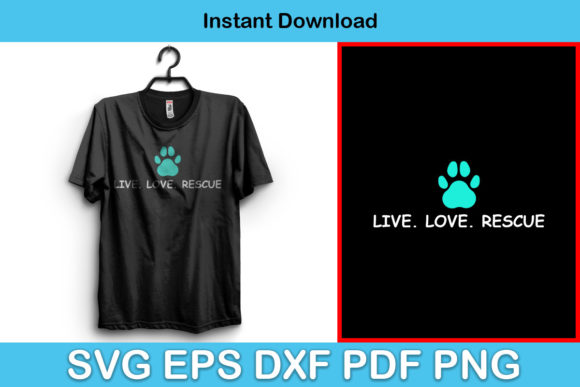
- Place on Real Mockups: Drop it onto a t-shirt mockup, a mug template, and a website header mockup. Does it integrate naturally with the product form?
- Review File Formats & Editability: The mention of SVG files is key. For Cricut projects or custom edits, confirm the vector paths are clean and editable. For PNG use in Canva templates, verify the transparency is clean with no fringe artifacts.
- Compare with Font Styles: Pair it with a clean sans-serif font for modern readability, a serif for a classic feel, or a friendly script for a totally handmade vibe. See which combination best serves your client's brand identity.
- Confirm Commercial Licensing: Never assume. Always verify the license explicitly allows use for your client's commercial products, whether for an Etsy product line or a local business's marketing visuals.
The Final Verdict: A Versatile Asset for Targeted Projects
From the perspective of daily graphic design work, the Veterinarian graphic asset is a strong, niche-specific tool. It won't be the right fit for every project in your creative marketplace, but for those targeting the world of pet care and animal appreciation, it provides a ready-made visual solution that feels more polished than starting from scratch. Its mood is its biggest selling point—it communicates care. For a designer preparing a visual concept for a local vet’s open house posters, a pet blogger’s series of Pinterest pins, or a crafters’ line of sublimation design mugs, this asset can significantly speed up the design process while improving the final result's cohesion and emotional appeal. Handle it with the practical care outlined above, and it can become a reliable part of your commercial design asset toolkit.