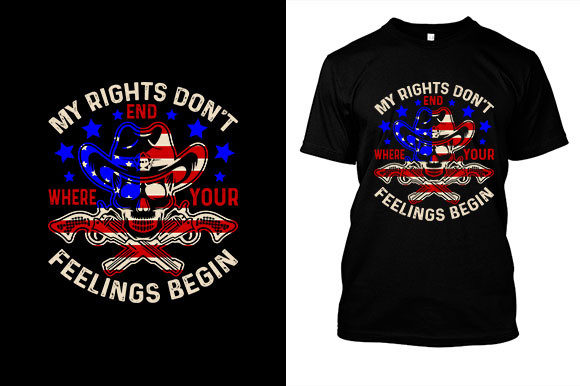
My Rights Don't Where Your Feelings Being: A Designer's Take
When you see a design titled "My Rights Don't Where Your Feelings Being," it strikes a particular chord. It’s bold, a bit playful, and carries a confident, conversational tone. As someone who regularly evaluates embroidery files for real client projects and my own shop, my first thought is about visual personality. This isn't a delicate floral motif; it’s a statement piece. The layout, with its clear, straightforward text-based approach, suggests it’s meant to be read and understood instantly. For crafters and small business owners, that immediate recognition is key for products like custom apparel or gifts.
The First Impression: Mood and Potential Projects
The design creates a mood of self-assured, casual defiance. It feels modern and direct. This visual personality naturally belongs to projects meant for adults or older teens who appreciate a bit of witty, personal expression. I immediately pictured it on a custom embroidered sweatshirt or a sturdy canvas tote bag—items that carry a bit of weight and can showcase a bold statement. It could also work wonderfully as a patch, applied to a backpack or a denim jacket, offering that handmade, personalized touch that buyers on Etsy or at craft fairs often seek.
For a real-life scenario, imagine preparing a custom order for a client who wants a unique gift. They ask for an embroidered pillow cover for a friend who values independence and humor. "My Rights Don't Where Your Feelings Being" could be that perfect, conversation-starting piece. The design's theme lends itself to personalized gifts, boutique products, and small shop merchandise where the message resonates with the buyer's identity.
Performance in Real Embroidery Situations
In practical use, a text-based machine embroidery design like this has specific considerations. The provided file formats—SVG, PNG, DXF, EPS—indicate it's geared for cutting machines, which is great for applique or creating printed templates. For direct embroidery, you'd need to ensure you have a proper embroidery file format, which isn’t listed here, so that’s a crucial point to verify before starting any project.
On a sweatshirt, using a satin stitch for the letters would give a clean, raised texture that enhances the statement. On a tote bag, a denser fill stitch might be better for durability. For a lighter application, like a baby item or kitchen towel, this particular message likely wouldn't fit the context, but a simplified version on a apron for a home cook with a strong personality could be fun. The key is matching the design's attitude to the product's purpose.
Where It Finds Its Best Home
- Custom Apparel: Hoodies, t-shirts, and caps where the fabric can support clear stitching.
- Home Decor: Pillow covers or simple wall hangings as a statement piece.
- Personalized Gifts: For birthdays or occasions where a humorous, confident message is appreciated.
- Small Business Merchandise: As part of a curated line in a handmade shop focusing on modern, text-based designs.
Careful Application: Navigating Challenges
Text-based designs require attention to detail. With "My Rights Don't Where Your Feelings Being," the lettering is the entire focus. On small hoop sizes, the text might become cramped, losing clarity. Stretchy fabric like thin t-shirts can distort the stitches, so a good stabilizer is non-negotiable. On dark fabric, thread color contrast is paramount—a bright white or a contrasting color pop will make it stand out.
Embroidering on curved surfaces like caps requires adjusting the layout to fit the curvature, which might be tricky with longer text. Also, consider stitch density. If the design file has very dense fill areas, it could be too stiff for lightweight fabrics. Always test the design on scrap fabric first, using the same material you plan for the final product. This saves time, thread, and potential customer disappointment.
Designer Notes for a Smooth Project
- Check thread color contrast against both light and dark fabric backgrounds.
- Review the stitch density in your embroidery software preview to gauge stiffness.
- Confirm the hoop size needed and whether your project fabric can accommodate it.
- Inspect the small details, especially in the lettering, for any potential thread breaks.
- Use proper stabilizer for the fabric type to prevent puckering.
- Test the design in black and white mockups to assess its visual impact without color.
- Most importantly: Confirm the licensing terms before selling finished items or digital products. The description mentions these are "print cut records," so you must ensure your intended commercial embroidery use is permitted.
Impact on Appeal, Value, and Trust
Using a design like this effectively can boost your product's visual appeal. When stitched cleanly, it presents a professional, intentional look that enhances customer trust in your handmade work. It shows you’ve chosen a design with character, which helps with brand consistency if your shop specializes in similar witty or bold statements.
The giftability is high for the right recipient. It’s a design people might buy because it speaks for them, increasing buyer engagement. For an Etsy seller or creative entrepreneur, offering this on a well-made product like an embroidered tote can increase the perceived value, turning a simple bag into a personalized statement piece.
Final Thoughts for the Practical Maker
"My Rights Don't Where Your Feelings Being" is a digital design asset with clear potential for specific niches. It’s not a universal design, but its strength lies in its specific mood. Your success with it will depend on pairing it with the right embroidery project and executing the technical details with care.
Before committing to a large batch for your craft business, stitch one sample. See how it feels on the fabric, how the colors work, and how the message resonates. That hands-on test is the best review any experienced designer can give. It transforms a digital file into a tangible, valuable finished product that your customers will appreciate.