Evaluating a Graphic for Commercial Product Creation
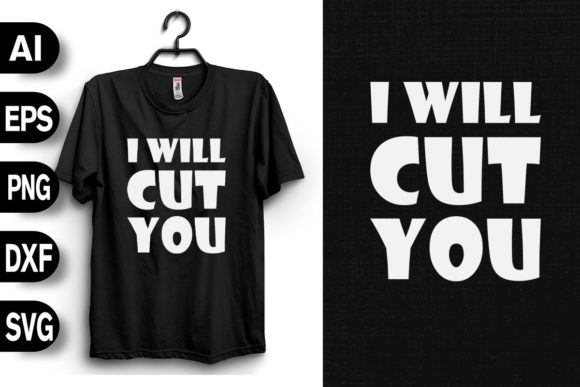
When I’m adding a new design to my shop, my first move is to look at it from a buyer's perspective. I’ll cut you funny cosmetology is a design that immediately creates a mood. It’s playful, slightly irreverent, and speaks directly to a niche audience. Anyone in the beauty industry, from hairstylists to makeup artists, or even their clients who appreciate salon humor, will recognize this phrase. It has that inside-joke quality that makes for a great t-shirt design or mug graphic. Visually, the personality leans bold and modern, perfect for merchandise that aims to be a statement piece rather than subtle decor.
Niche Appeal and Target Audience
This graphic design asset isn’t for everyone, but that’s often a strength in digital selling. A focused audience can lead to stronger conversions. I imagine it appealing to crafters making gifts for their stylist friends, small beauty salon owners looking for branded merchandise, or even content creators in the cosmetology space wanting fun social media graphics. It’s a commercial design with a clear, conversational hook.
Testing Across Product Types Before Listing
Before I even draft an Etsy product description, I test a design across several formats. The description mentions compatibility for t-shirt, hoodie, tote bag, mug, sticker, and more. This is my standard process. I start by dropping the I will cut you funny cosmetology SVG into a basic t-shirt mockup. How does it look on a plain white tee versus a black hoodie? Does the scale feel right? Next, I test it as a mug design. Sometimes a phrase that works large on a shirt feels cramped on a mug’s curved surface. I also create a quick PNG sticker mockup to see if the details remain clear at a smaller size.
This practical testing phase is crucial. It reveals the design’s flexibility. For instance, if the SVG file has clean, separate layers, it becomes a fantastic asset for Cricut projects—easy to cut for vinyl decals or heat-transfer applications. I’ll also import it into Canva to check its performance as a social media graphic or blog header. Does it integrate well with other fonts and elements? This tells me if it can be part of a larger brand identity or product bundle.
Strengths for Product Presentation
From a selling standpoint, this design has good potential for visual storytelling in my listings. Its bold, conversational nature can create strong thumbnail appeal. On a marketplace like Etsy or Creative Fabrica, a product mockup showing this phrase on a clean t-shirt can generate a high click-through rate because it communicates its purpose instantly. It also lends itself to themed bundles. I could pair it with other salon-themed graphics to create a “Cosmetology Humor” digital download pack, increasing perceived value.
For product presentation, it supports brand consistency if I’m curating a shop around beauty or humor. Using consistent design assets across different products—like t-shirt graphics, printable wall art, and sticker designs—builds customer trust and makes my shop look more professional.
Where This Asset Works Best
- Large Format Merchandise: T-shirts, hoodies, and tote bags are ideal canvases for this bold, text-focused graphic.
- Themed Digital Bundles: As part of a collection with other beauty-industry clipart or illustrations.
- Printable Products: Simple flyers or small posters for salon decor.
- Social Media Promos: As a clean PNG on a mockup image to promote a new product line.
- Product Mockups: It looks effective on clean, minimal mockups where the phrase is the hero.
Considerations and Careful Use
While versatile, some applications require a closer look. The phrase “I will cut you funny cosmetology” is relatively long. On very tiny products, like small enamel pins or detailed sticker edges, the text might become difficult to read unless simplified or the font is exceptionally clear. I would avoid using it in overly complex layouts with many other graphics, as it could lose its impact.
For Cricut or Silhouette projects, I always inspect the SVG cut quality. Are the text paths well-defined and separate? If it’s a single complex path, cutting for a vinyl decal could be tricky. Testing a small cut first is a must. Also, on dark backgrounds without a proper contrasting color layer, the design could disappear. Always preview it on both light and dark mockups.
Practical Seller Notes for Implementation
My final checklist before publishing a product with this graphic design asset includes:
- Test print colors if offering physical prints—does black look crisp, or are there color overlays?
- Verify PNG transparency if the file includes a cutout version.
- Confirm the file resolution is high enough for large format prints like banners.
- Organize the files clearly for customers. Label them “T-Shirt SVG,” “PNG for Mockups,” etc.
- Pair it with complementary fonts in listings. A sans-serif font for descriptions often works well with a bold display font like this one.
- And most importantly: double-check the commercial license of the original asset to ensure I have the right to sell finished products using it. Never assume.
Supporting a Professional Product Collection
Ultimately, adding a design like I will cut you funny cosmetology to my shop isn’t just about uploading a file. It’s about evaluating how it fits into my overall collection and serves my target customers. Does it fill a gap? Can it be extended into multiple product types—from digital downloads like Canva templates to physical print-on-demand merchandise? A successful digital product isn’t just a graphic; it’s a versatile commercial asset that helps build a cohesive, professional-looking online shop. This design, with its clear niche appeal and adaptable format, has the potential to do just that when tested and applied thoughtfully.