A Field Day: How This Bold Graphic Elevates T-Shirt Design Projects
First Impressions: A Playful, Handcrafted Mood
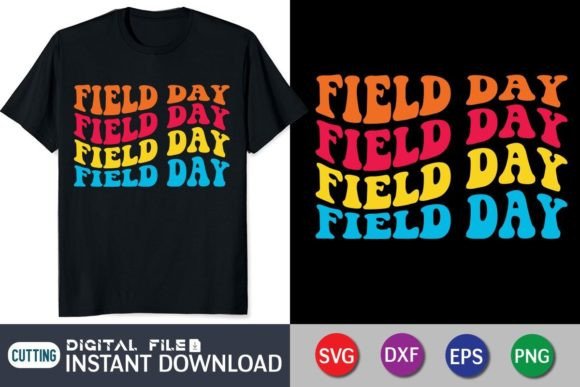
Opening the Field Day SVG Cut File, the immediate impression is one of vibrant, organic energy. The design asset feels less like a rigid graphic and more like a crafted illustration, brimming with a sense of playful activity. This isn't a sterile, corporate vector; it's a visual that carries a handmade, almost artisanal mood. It naturally fits projects for clients who value authenticity—think small business branding for a boutique, a seasonal campaign for a local farm market, or merchandise for a creative Etsy shop focused on crafts or outdoor themes. The style leans towards cheerful and approachable, making it a strong candidate for designs aiming to connect on an emotional level rather than just inform.
Real-World Applications: From T-Shirts to Campaign Visuals
In practical terms, this graphic design asset shines across a spectrum of commercial design needs. For T-Shirt Designs, it's a clear winner—the layered, detailed nature of the SVG file allows for crisp cutting and printing, whether for screen printing, sublimation, or as a Cricut project for handmade goods. But its utility extends far beyond apparel. Consider it for product mockups on mugs and tote bags, as a central illustration for packaging design for a specialty product line, or as a hero graphic for a website promoting a summer event. Its components can be isolated to create sticker designs or used as decorative accents within social media graphics for a cohesive campaign. For a blogger or publisher, it could serve as standout blog visuals or editorial design elements for a feature on community activities.
Where This Asset Becomes a Design Hero
The Field Day SVG Cut File performs best when given space to breathe. Use it in large layout areas: as a focal point on a poster or flyer, a full-wrap illustration on a product label, or a large-scale graphic on a website header. It excels as a brand identity element for a business with a rustic or playful core, helping to establish visual trust and recognition through its unique character. It's perfect for building themed collections—you could easily derive a series of Pinterest pins, Instagram posts, or even Canva template variations from its elements, ensuring brand consistency across a marketing campaign. The included file formats, like the EPS vector and high-resolution PNG with a transparent background, are crucial here, allowing for seamless scaling and integration into various digital design assets and printable designs.
Considerations for Clean Visual Hierarchy
However, professional design judgment requires noting where an asset should be applied with care. The intricate, busy nature of the Field Day graphic means it struggles in small sizes or on crowded layouts. Placing it next to dense text blocks or within a complex, multi-element composition can harm readability and disrupt visual hierarchy. It's likely not suitable for minimalist branding or for professional corporate materials that demand ultra-clean, sharp lines. On low-contrast backgrounds, some finer details may disappear, affecting the overall professionalism of the final piece. The key is to let it stand as a supporting brand element or a main feature, not as a subtle background texture.
Practical Designer Notes: Testing Before Client Delivery
Before committing this asset to a real client project, a few hands-on tests are non-negotiable. First, test it in black and white to ensure the core shapes and contrast hold up without color dependency—this is vital for applications like budget printing or certain merchandise. Check contrast on both light and dark backgrounds using the provided PNG file; you might need to add a subtle outline or background shape for optimal legibility in some contexts. Preview it at small and large sizes to identify any details that become muddy or lost. Crucially, place it on real mockups—drop it onto a t-shirt template, a mug, and a website banner mockup to see how it interacts with real-world dimensions and materials.
If test print quality is part of your workflow, do a sample output. The 300 DPI PNG should suffice for most digital uses, but the true value lies in the vector files (SVG, EPS, DXF). Inspect the SVG or vector editability; can you easily ungroup elements, change colors, or adjust strokes to match the client's brand palette? Compare the graphic's style alongside different font choices. How does it pair with a clean sans serif for balance? Does it clash with a competing script font? Often, a simple, strong sans serif can anchor this kind of illustrative asset beautifully. Finally, and most importantly, confirm commercial licensing before using it for a client or business project. Ensure the asset is intended for commercial design use in marketing visuals, print-on-demand, and other client-facing work to avoid any legal issues.
The Final Verdict: A Polished Boost for Targeted Projects
The Field Day SVG Cut File is a specialized tool in a designer's kit. It won't suit every project, but for the right one, it significantly improves the visual mood and helps the final result feel more polished and intentionally crafted. For a designer preparing a visual concept for a handmade brand's new product launch, a local "field day" event promotion, or a small business's seasonal merchandise line, this asset provides a ready-made, high-quality centerpiece. It fosters audience engagement through its emotional appeal and lends an air of creative professionalism when used appropriately. By understanding its strengths—in large formats, as a brand accent, for themed campaigns—and its limitations—in small spaces, for minimalist aesthetics—you can leverage this graphic design asset to deliver compelling, trustworthy, and visually cohesive work for your clients.