A Designer's Hands-On Review of the Biden Girl Embroidery Design
When you’re scrolling through hundreds of embroidery designs looking for the next perfect file for a client project or your shop inventory, you develop a quick eye. You look past the thumbnail and try to visualize the stitched result—how it will feel on fabric, how customers will react to it, and what kind of product it would truly elevate. That’s the lens I’m using today for the Biden Girl embroidery design.
First Impression: More Than Just a T-Shirt Graphic
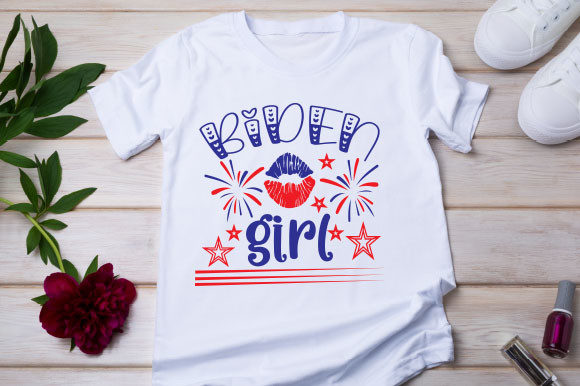
My immediate take is that this design carries a specific, upbeat mood. It’s not a generic graphic; it has a personality. For embroidery designers and makers, that’s crucial. A design with a clear theme and character, like this one, tells a story before a single stitch is made. It feels like it belongs on items meant to express identity, celebration, or affiliation. The layout seems designed for visual impact rather than intricate detail, which is a smart move for an embroidery file. Too much fine detail can become a muddy mess of thread, but an attractive design with strong shapes translates beautifully into stitches.
In terms of project fit, my mind went immediately to custom apparel like sweatshirts and tote bags. These are staples for small business owners and Etsy sellers. But I also pictured it on a baby item, like a little onesie for a gift, or even a kitchen towel in a boutique setting. Its personality suggests it would work well as a personalized gift or holiday embroidery project for a specific recipient.
Putting It to the Test: Real-Life Embroidery Scenarios
Let’s walk through a real case. Imagine a client orders a custom embroidered tote bag with a political theme for a campaign event. You pull up the Biden Girl file. The bundle featuring multiple formats—PNG, EPS, DXF, SVG, JPG—is a practical advantage. For an embroidery designer, the SVG and DXF files can be useful for planning placement or creating complementary vinyl cuts, while the high-quality PNGs are perfect for creating printable mockups for your Etsy listings or website.
Because the description notes it’s the right size for any web store and is 100 original and 100 editable, I’m thinking about flexibility. I can adjust size or perhaps isolate elements if needed for my specific embroidery project. That’s a value-add for creative entrepreneurs who often need to adapt a design to a specific hoop size or product dimension.
The Stitched Result: Visual Appeal and Customer Trust
How would this look after stitching? On a mid-weight cotton tote or a fleece-backed sweatshirt, I expect the bold shapes to create clear, defined areas of satin stitch or fill stitch. The visual appeal in a finished product hinges on that clarity. A clean, professional stitch-out directly impacts customer trust and the perceived value of your handmade product. For a craft business, that professionalism is your brand.
I’d be considering thread color contrast heavily here. On a light fabric, a palette of blues and whites might pop. On a dark fabric like a navy cap, you’d need to plan your thread colors to ensure the design doesn’t get lost. This is where testing becomes non-optional.
Where This Design Should Be Used With Care
Every embroidery design has its ideal applications and its trickier ones. For Biden Girl, I’d proceed cautiously on a few fronts. If the design has any tiny lettering or very dense, small decorative accents, those areas could be challenging on textured fabrics or stretchy fabric. A tight stitch density in a small area on a thin t-shirt might cause puckering without the proper stabilizer.
Curved surfaces like caps also require attention. The design’s overall shape needs to fit the curve without distortion. And for products that need frequent washing, like baby clothes or kitchen linens, you’d want to ensure the stitch areas are secure and not so dense that they stiffen the fabric. Always test the design on scrap fabric first, using the same material and stabilizer as your final product.
Another note for small business owners: the description mentions it’s suitable for any web store, but it’s critical to confirm licensing before selling finished items. The “100 original” and “100 editable” points suggest creator ownership, but you must verify the terms for commercial embroidery use. Don’t assume.
Practical Notes for the Embroidery Workflow
My process for a design like this would be straightforward but thorough. First, I’d check thread color contrast by looking at the design in black and white mockups. This tells you where the true light and dark areas are, independent of color. Next, I’d review stitch density in my embroidery software if the file allows, or simply stitch a test to see how the machine interprets it. I’d confirm hoop size compatibility for my target product—a large tote might need a bigger hoop than a baby bib.
Inspecting small details is key. Even an attractive, bold design can have a tiny element that gets lost. Finally, I’d compare light and dark fabric backgrounds in my mind or via digital previews to plan my thread inventory. For apparel decorators, this prep work separates a hobby project from a sellable small shop product.
The Final Take: A Design With Clear Commercial Potential
So, where does Biden Girl fit in the world of embroidery projects? It strikes me as a design with clear commercial and gift-making potential. Its strength is its thematic personality, which gives it instant recognition and appeal for a specific audience. For an Etsy seller or craft fair vendor, that means it can attract buyers looking for that exact sentiment.
As a digital embroidery file bundled with multiple formats, it offers the flexibility that digital product sellers and makers appreciate. You can use it as a core design asset for a line of products—think embroidered patches, sweatshirt embroidery, aprons, and pillow covers. That consistency can help build brand consistency for your shop.
In the end, the practical judgment is this: Biden Girl appears to be a design that, with proper embroidery setup and testing, can translate into high-quality, professional-looking finished products. It’s the kind of file that, when stitched well on the right product, enhances visual appeal, boosts product value, and creates that buyer engagement we all look for. Just remember the foundational rules: test first, know your license, and always match the design to the right fabric and product. That’s how you turn a good machine embroidery design into a great handmade product.